
Building Resilience Through Soccer Training
A Parent’s Guide to Developing Mentally Strong, Adaptable Young Athletes in the DMV Soccer Environment
In youth soccer development, resilience is one of the most important qualities a player can build. While technical skill and physical performance are often emphasized, the ability to handle setbacks, respond to pressure, and continue progressing over time ultimately shapes long-term success.
Parents across Maryland, Northern Virginia, and Washington DC frequently observe that their child’s journey in competitive soccer includes moments of disappointment, uncertainty, and challenge.
These experiences, when guided constructively, can become powerful opportunities for psychological growth.
Families seeking developmental environments that strengthen both performance and character often explore structured training pathways such as:
→ Private Soccer Development Training
→ Elite Small Group Competitive Sessions
→ Mindset & Performance Development Programs
When players are supported in learning how to navigate adversity, they develop confidence that is rooted in experience rather than external validation.
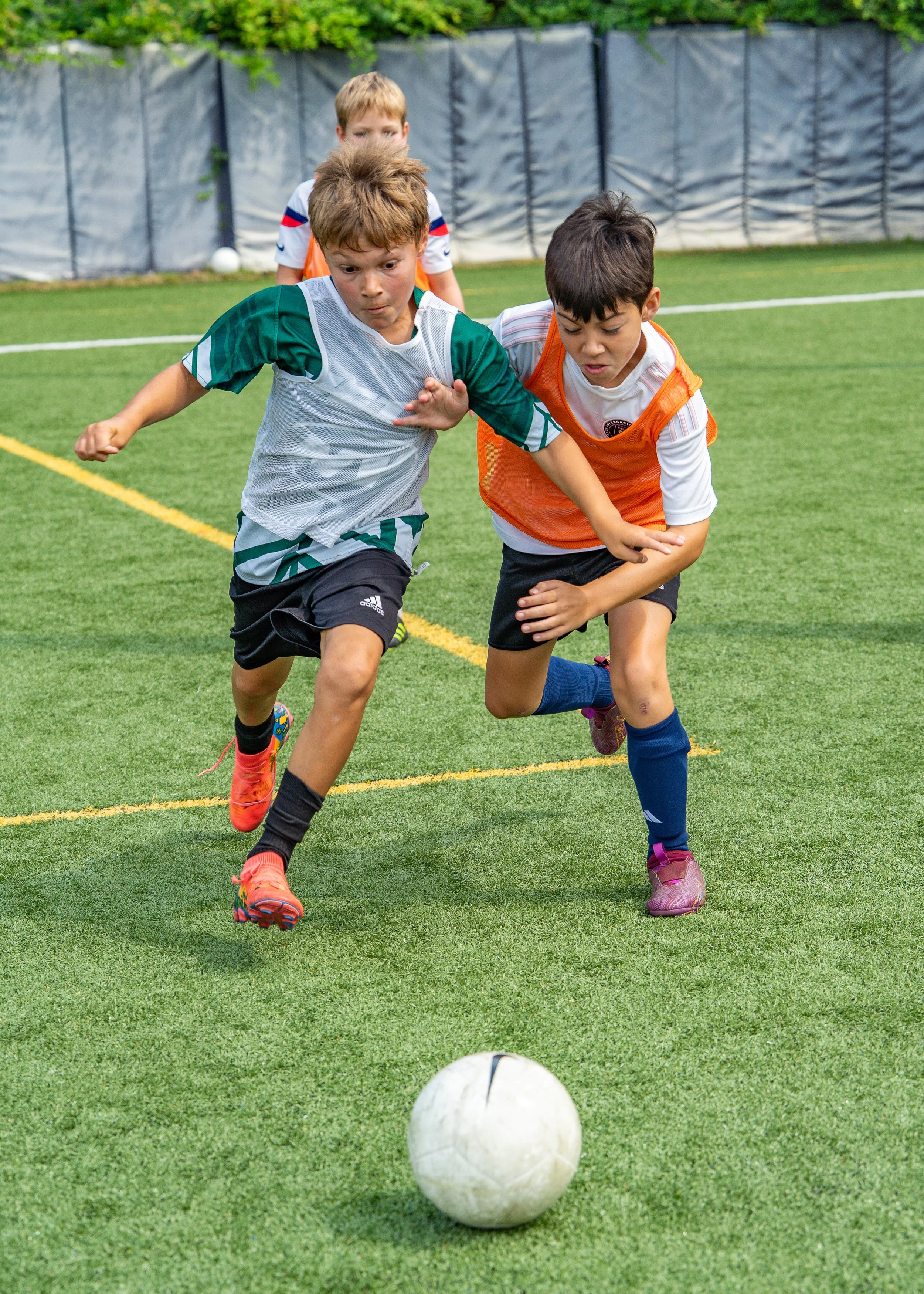
Understanding Resilience in Youth Athletes
Resilience refers to the ability to adapt positively in the face of challenges, setbacks, or pressure. In soccer, this may involve responding constructively to mistakes, maintaining motivation during difficult phases of development, and continuing to engage with the learning process.
Recovering quickly after conceding possession or missing opportunities
Maintaining focus during physically or mentally demanding matches
Persisting through periods of reduced playing time
Staying committed to training despite competitive setbacks
Using feedback as a tool for improvement rather than criticism
Players who develop resilience tend to progress more consistently because they interpret challenges as part of the developmental journey.
Why Modern Competitive Soccer Requires Mental Toughness
The youth soccer landscape in the DMV region is increasingly performance-oriented. Players are exposed to structured tactical systems, higher athletic demands, and greater expectations from both internal and external sources.
Without intentional psychological preparation, these pressures can lead to frustration, loss of confidence, or reduced enjoyment of the game.
How Development-Focused Training Builds Resilience
At PhiloSoccer Training, sessions are designed to provide meaningful challenges that encourage players to stretch beyond their comfort zones.
This approach helps athletes build emotional strength and develop a growth-oriented mindset.
Structured exposure to competitive training scenarios
Guided reflection after difficult moments in sessions
Encouragement of disciplined preparation habits
Development of coping strategies for performance pressure
Reinforcement of intrinsic motivation and long-term perspective
Parents who want to reinforce resilience often supplement team environments with:
→ High Performance Private Coaching
→ Advanced Tactical Group Training
Resilience as a Foundation for Life Success
When young athletes learn how to manage adversity through sport, they develop qualities that extend into academic, social, and professional environments. They become more adaptable, persistent, and confident when facing uncertainty.
For many families throughout the Washington DC and Maryland region, developmental soccer training represents an investment in long-term character formation as well as athletic progression.
Final Thought: Growth Happens Through Challenge
Resilience is not developed through comfort or constant success. It is built through exposure to meaningful challenges and supportive coaching guidance. When players learn to persist and reflect, setbacks become stepping stones toward higher performance.
Practice with Pride. Play with Purpose.