
A Parent’s Guide to Identifying High-Quality Player Development Training in the DMV Area
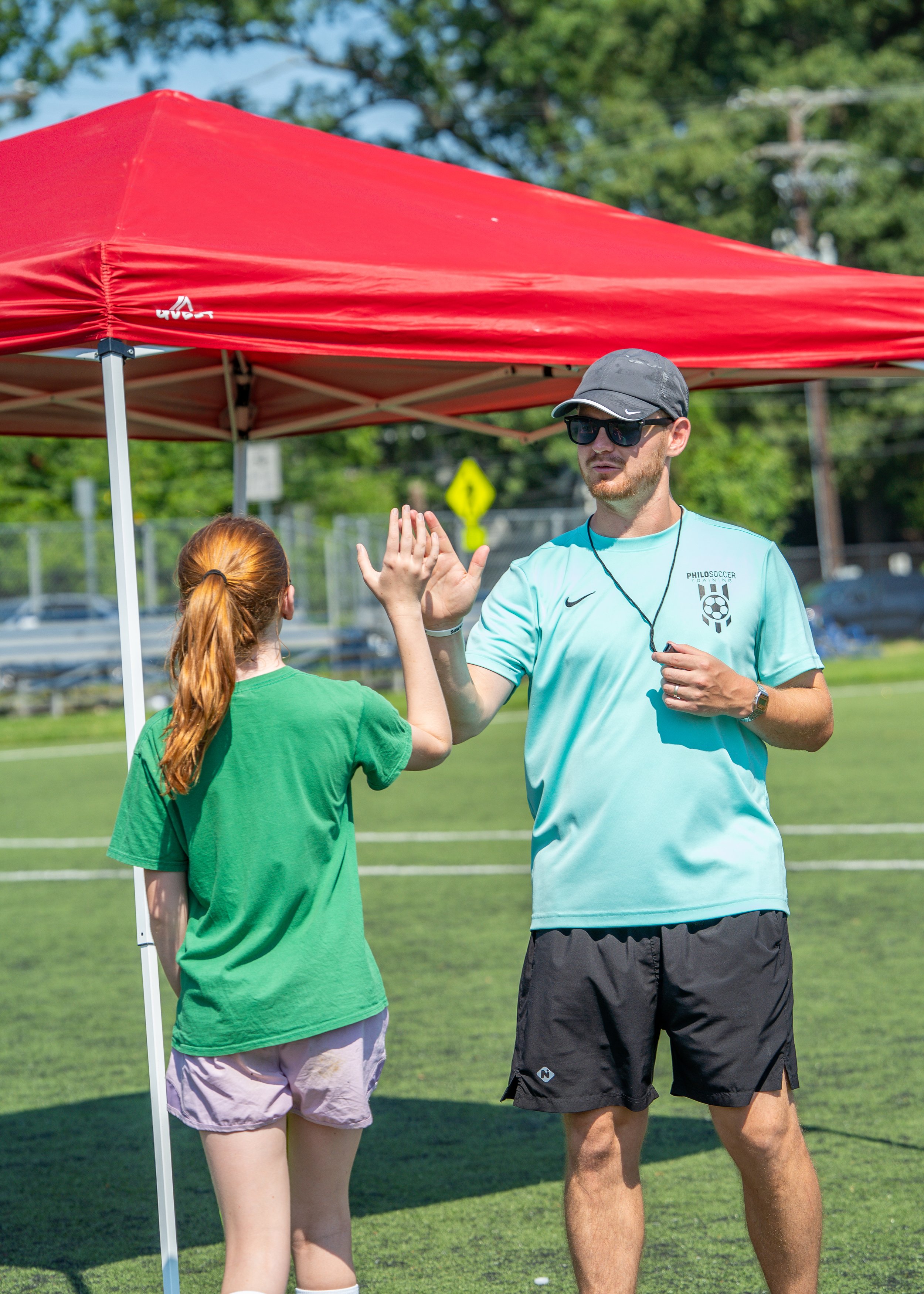
In today’s youth soccer landscape, the word “development” is used frequently by clubs, coaches, and training providers. Yet many parents across Maryland, Northern Virginia, and Washington DC still find themselves asking an important question: What does true soccer development actually look like in practice?
Understanding the difference between short-term performance focus and long-term developmental training can help families make more informed decisions about their child’s soccer journey.
Parents seeking environments that prioritize holistic growth often explore structured pathways such as:
→ Private Soccer Development Training
→ Elite Small Group Tactical Sessions
→ Mindset & Performance Coaching Programs
When training environments are designed with long-term development in mind, players begin to build confidence, intelligence, and resilience alongside technical skill.
Beyond Wins and Team Selection
True soccer development is not defined solely by match results, team status, or early success. While competition can be valuable, an excessive focus on outcomes may limit a player’s willingness to experiment, learn from mistakes, and develop creatively.
Encouraging players to make decisions independently during games
Prioritizing learning objectives over short-term match outcomes
Allowing space for creativity and problem-solving
Building confidence through progressive challenge
Developing emotional resilience alongside technical skill
Players who experience these developmental conditions are more likely to continue improving as competition levels increase.
The Role of Cognitive and Psychological Development
Modern soccer demands that players process information quickly, anticipate movement, and maintain composure under pressure. This means that technical training alone is no longer sufficient to prepare young athletes for higher levels of performance.
Development-focused environments integrate decision-making exercises, reflective learning opportunities, and mindset training into regular sessions.
How High-Quality Training Environments Support Growth
At PhiloSoccer Training, sessions are intentionally structured to challenge players both technically and mentally. The goal is to cultivate intelligent athletes who can adapt, reflect, and continue progressing throughout their developmental pathway.
Scenario-based training that replicates match pressure
Guided reflection to strengthen self-awareness
Progressive skill challenges tailored to individual needs
Encouragement of disciplined preparation habits
Development of intrinsic motivation to improve
Parents who want to enhance their child’s developmental experience often supplement team participation with:
→ High Performance Private Coaching
→ Advanced Game Intelligence Group Training
Long-Term Benefits of Development-Focused Training
When players are guided through environments that prioritize growth, they develop qualities that extend beyond the soccer field. They become more disciplined learners, more confident communicators, and more resilient individuals.
For many families throughout the Washington DC and Maryland region, investing in developmental soccer training represents a commitment to both athletic and personal growth.
Final Thought: Development Is a Process, Not an Outcome
True soccer development is measured by how players evolve over time, not just by the results they achieve in any single season. When training environments nurture curiosity, discipline, and psychological strength, players are better prepared for the demands of modern competitive soccer.
Practice with Pride. Play with Purpose.