
Why Talent Alone Is Not Enough in Modern Soccer?
A Parent’s Guide to Long-Term Player Development and Competitive Success in the DMV Soccer Landscape
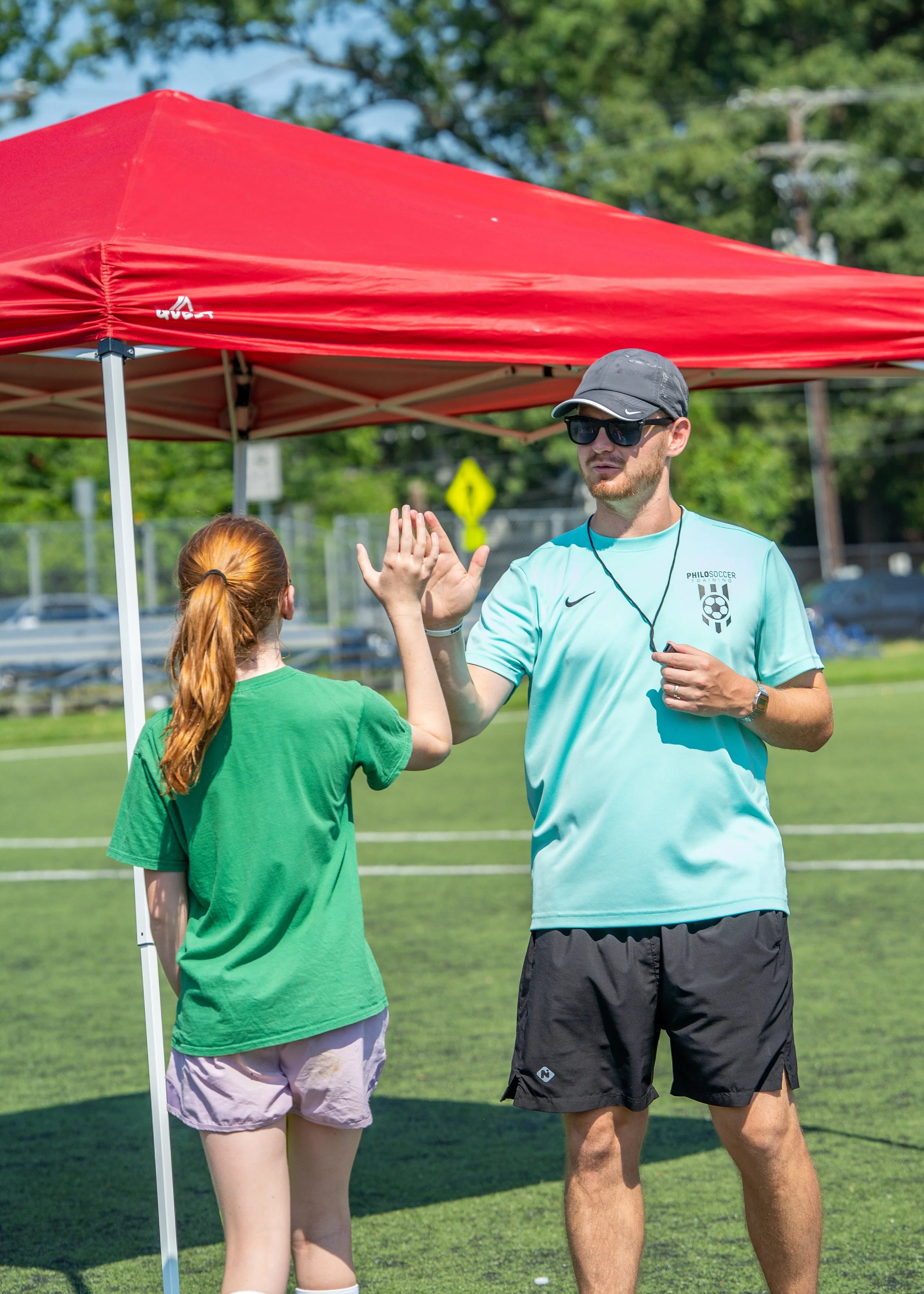
In youth soccer conversations, talent is often treated as the defining factor in a player’s future success. Parents hear phrases like “naturally gifted,” “technically special,” or “born athlete,” and understandably begin to associate early ability with long-term potential.
However, modern player development research and elite coaching experience consistently show that talent alone rarely determines sustained progress. What ultimately shapes a player’s trajectory is their mindset, work ethic, decision-making intelligence, and ability to adapt to increasing competitive demands.
Families across Maryland, Northern Virginia, and Washington DC who want to support holistic development often explore structured pathways such as:
→ Private Soccer Development Training
→ Elite Small Group Tactical Sessions
→ Mindset & Performance Coaching Programs
When development environments prioritize both psychological growth and technical learning, players begin to build qualities that extend beyond early talent.
Understanding the Limits of Early Talent
Young players who stand out physically or technically at early ages often experience rapid success.
Yet as competition levels increase, differences in physical maturity begin to balance out, and the game demands more advanced cognitive and emotional skills.
Faster decision-making under pressure
Tactical awareness and scanning habits
Resilience after mistakes or setbacks
Consistency in work ethic and preparation
Ability to handle competitive expectations
Players who rely solely on natural ability may struggle when these additional demands become central to performance.
Why the Modern Game Rewards Intelligent Development
Today’s youth soccer environment in the DMV region emphasizes speed of play, tactical structure, and psychological composure. Players must process complex information rapidly while maintaining technical execution and emotional control.
This evolution means that long-term success is increasingly influenced by how players think, not just what they can physically do.
How Development-Focused Training Builds Sustainable Progress
At PhiloSoccer Training, sessions are intentionally designed to challenge players beyond their comfort zones. The goal is to cultivate growth habits that prepare athletes for higher levels of competition.
Encouraging independent problem■solving during training scenarios
Reinforcing disciplined preparation routines
Developing confidence through progressive challenge
Improving tactical decision■making under pressure
Building intrinsic motivation to continue learning
Parents who want to strengthen these qualities often supplement team environments with:
→ High Performance Private Coaching
→ Advanced Game Intelligence Group Training
Beyond Talent: Life Skills Developed Through Soccer
When players learn to move beyond reliance on natural ability, they develop characteristics that
support broader personal growth. They become more disciplined learners, more resilient
competitors, and more adaptable individuals.
For many families throughout the Washington DC and Maryland region, developmental soccer training represents an investment in both athletic and personal potential.
Final Thought: Talent Starts the Journey, Mindset Sustains It
Natural ability can open doors in youth soccer, but mindset, intelligence, and character determine how far a player ultimately progresses. When development environments nurture these deeper qualities, talent becomes a foundation rather than a limitation.
Practice with Pride. Play with Purpose.