
The Psychology of Confidence in Youth Athletes
A Parent’s Guide to Understanding How Confidence Is Built Through Developmental Soccer Training in the DMV
Confidence is one of the most talked-about qualities in youth soccer, yet it is also one of the most misunderstood. Many parents observe fluctuations in their child’s performance and assume confidence is simply an emotional state that appears or disappears without explanation.
In reality, confidence is deeply connected to preparation, experience, and environment. It is a psychological skill that can be intentionally developed through structured training and thoughtful coaching.
Families seeking to build lasting confidence often explore developmental pathways such as:
→ Private Soccer Development Training
→ Elite Small Group Soccer Training
→ Mindset & Performance Coaching
When players begin to understand the process behind confidence, they shift from relying on short-term emotions to trusting long-term preparation.
What Confidence Actually Looks Like on the Field
True confidence is not loud or exaggerated. It is often quiet and composed. It is visible in how a player responds to mistakes, communicates with teammates, and continues to demand involvement in the game.
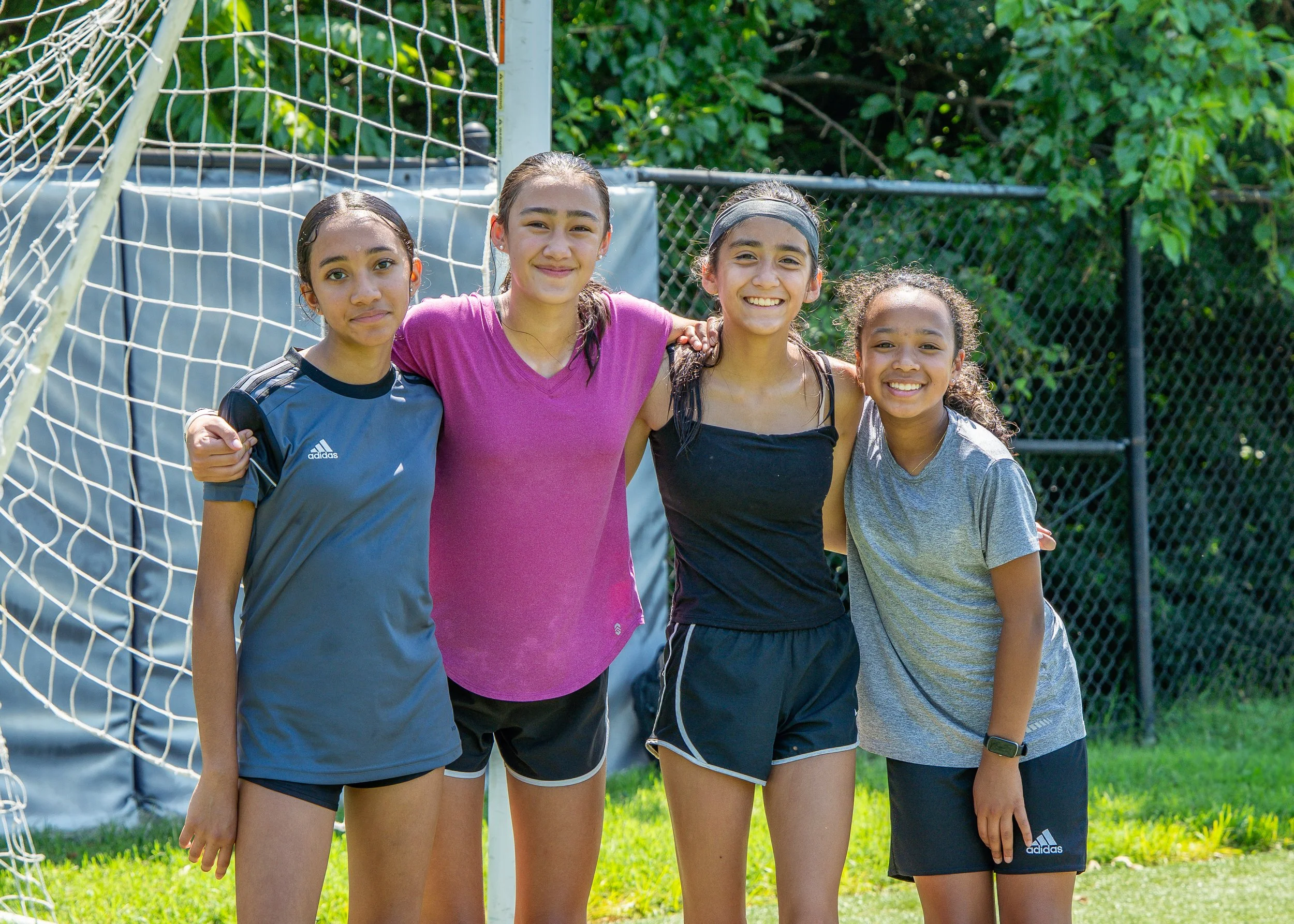
Remaining engaged after making an error
Making decisive actions under pressure
Willingness to attempt creative solutions
Consistency in effort regardless of external praise
Maintaining composure in competitive situations
These behaviors are typically developed through repeated exposure to meaningful challenges rather than constant reassurance.
Why Modern Youth Soccer Demands Psychological Strength
The speed and intensity of competitive youth soccer in Maryland, Northern Virginia, and Washington DC require players to process information rapidly while managing emotional responses. This combination places significant cognitive and psychological demands on developing athletes.
Without structured support, even technically gifted players may hesitate or lose belief during critical moments in matches
How Development-Focused Coaching Builds Real Confidence
At PhiloSoccer Training, sessions are designed to gradually increase challenge so players can experience growth through effort and reflection. This approach helps athletes develop confidence
that is stable rather than dependent on short-term results.
Players learn to trust their preparation
They develop routines to reset mentally after setbacks
They gain clarity in decision-making under pressure
They build emotional resilience during competition
They develop intrinsic motivation to continue improving
Parents who want to strengthen these qualities often supplement team participation with:
→ High Performance Private Coaching
→ Advanced Tactical Small Group Sessions
Confidence as a Foundation for Life Skills
When young athletes learn how to build confidence through sport, they develop qualities that extend into academics, relationships, and future professional environments. They become more willing to take initiative, persist through challenges, and adapt to new situations.
For many families in the DMV region, developmental soccer training is increasingly valued not only for performance outcomes but also for character formation.
Final Thought: Confidence Is Built Through the Process
Confidence cannot be handed to a player. It must be earned through experience, reflection, and purposeful training. When athletes learn to trust their preparation and embrace challenge, confidence becomes a reliable foundation rather than a fragile emotion.
Practice with Pride. Play with Purpose.