
The Inner Game Framework: Training the Mind Behind Performance
A Parent’s Guide to Developing Intelligent, Self-Aware Soccer Players in the DMV Area
In modern youth soccer, development is often measured through visible indicators such as speed, strength, technical skill, or team selection. Yet beneath every performance lies an invisible dimension that ultimately determines consistency, confidence, and long-term progress, the inner
game. The inner game refers to the psychological processes that influence how a player thinks, feels, and responds in competitive environments. It shapes decision-making, emotional control, motivation, resilience, and the ability to learn from experience.
Families seeking holistic developmental environments that strengthen both skill and mindset often explore structured pathways such as:
→ Private Soccer Development Training
→ Elite Small Group Tactical Training
→ Mindset & Performance Development Programs
When the inner game is trained intentionally, players begin to approach competition with greater clarity, composure, and purpose. They move beyond reacting emotionally to situations and instead learn how to think strategically under pressure.
Understanding the Inner Game in Youth Soccer
The inner game framework focuses on developing mental skills that influence how players interpret challenges and respond to performance demands. These psychological habits are often the difference between players who plateau and those who continue to grow.
Awareness of thoughts and emotional reactions during competition
Ability to reset mentally after mistakes or setbacks
Confidence rooted in preparation rather than comparison
Decision-making clarity in fast-paced match situations
Intrinsic motivation to improve beyond external validation
Players who develop these qualities tend to perform with greater consistency and enjoyment, even as competitive demands increase.
Why the Modern Game Requires Inner Game Training
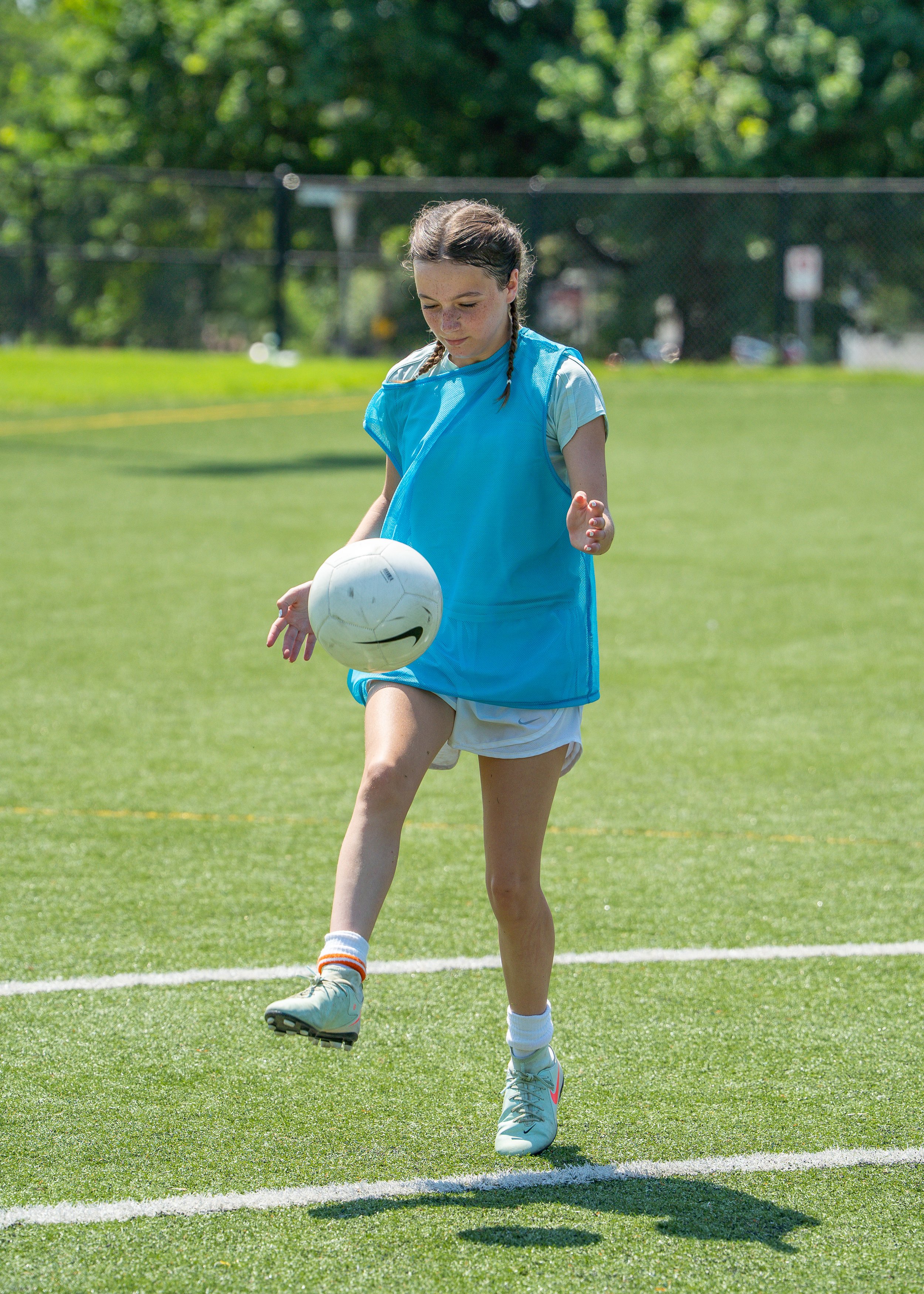
Youth soccer environments across Maryland, Northern Virginia, and Washington DC are increasingly competitive and structured. Players are exposed to performance evaluations, tactical expectations, and social comparison at younger ages than ever before.
Without intentional psychological support, these pressures can lead to overthinking, reduced confidence, and emotional fatigue. Training the inner game helps players interpret these experiences as opportunities for learning rather than threats to identity.
How Development-Focused Coaching Strengthens the Inner Game
At PhiloSoccer Training, sessions are designed to integrate technical development with reflective learning experiences. Players are encouraged to think critically about their decisions, respond constructively to challenges, and build ownership of their growth journey.
Structured reflection after training scenarios
Progressive exposure to realistic match pressure
Guided development of mental reset routines
Encouragement of independent problem-solving
Reinforcement of long-term growth mindset principles
Parents who want to reinforce inner game development often supplement team participation with:
→ High Performance Private Coaching
→ Advanced Small Group Game Intelligence Sessions
Inner Game Development as Preparation for Life
When young athletes learn to understand their thoughts, regulate emotions, and persevere through setbacks, they develop qualities that extend well beyond sport. They become more resilient students, more confident communicators, and more adaptable individuals in uncertain environments.
For many families throughout the DMV region, developmental soccer training is increasingly valued not only for competitive performance outcomes but also for the long-term personal growth it supports.
Final Thought: Train the Invisible to Elevate the Visible
Technical skill may be what spectators notice first, but the inner game is what sustains performance over time. When players learn how to manage pressure, think independently, and remain emotionally balanced, their visible abilities are expressed more freely and consistently.
Practice with Pride. Play with Purpose.