
Mistakes Are Information: Reframing Failure in Player Development
A Parent’s Guide to Building Resilient, Self-Aware Soccer Players in the DMV Area
In youth soccer today, mistakes are often treated as problems to be eliminated rather than experiences to be understood. Young players can quickly develop a fear of getting things wrong, especially in competitive environments where performance is constantly evaluated.
This fear can quietly limit development. When athletes become overly focused on avoiding mistakes, they tend to play cautiously, reduce creativity, and lose confidence. True player development requires a different perspective, one where mistakes are seen as valuable information that guides improvement.
Families seeking environments that support psychological growth alongside technical training often explore structured pathways such as:
→ Private Soccer Development Training
→ Elite Small Group Performance Sessions
→ Mindset & Performance Coaching
When players learn how to interpret mistakes constructively, they begin to approach challenges with curiosity rather than fear. This shift supports both confidence and long-term motivation.
Why Mistakes Are Essential for Development
Learning in sport occurs through trial, reflection, and adaptation. Each mistake provides feedback about timing, positioning, decision-making, or emotional response.
Misplaced passes reveal opportunities to improve scanning and awareness
Defensive errors highlight areas for positional understanding
Missed chances encourage refinement of composure and technique
Emotional reactions to setbacks build self-awareness
Challenging moments strengthen resilience and determination
Players who are supported in understanding these lessons tend to develop faster than those who are simply told to avoid mistakes.
The Role of Coaching Environments in Mistake Reframing
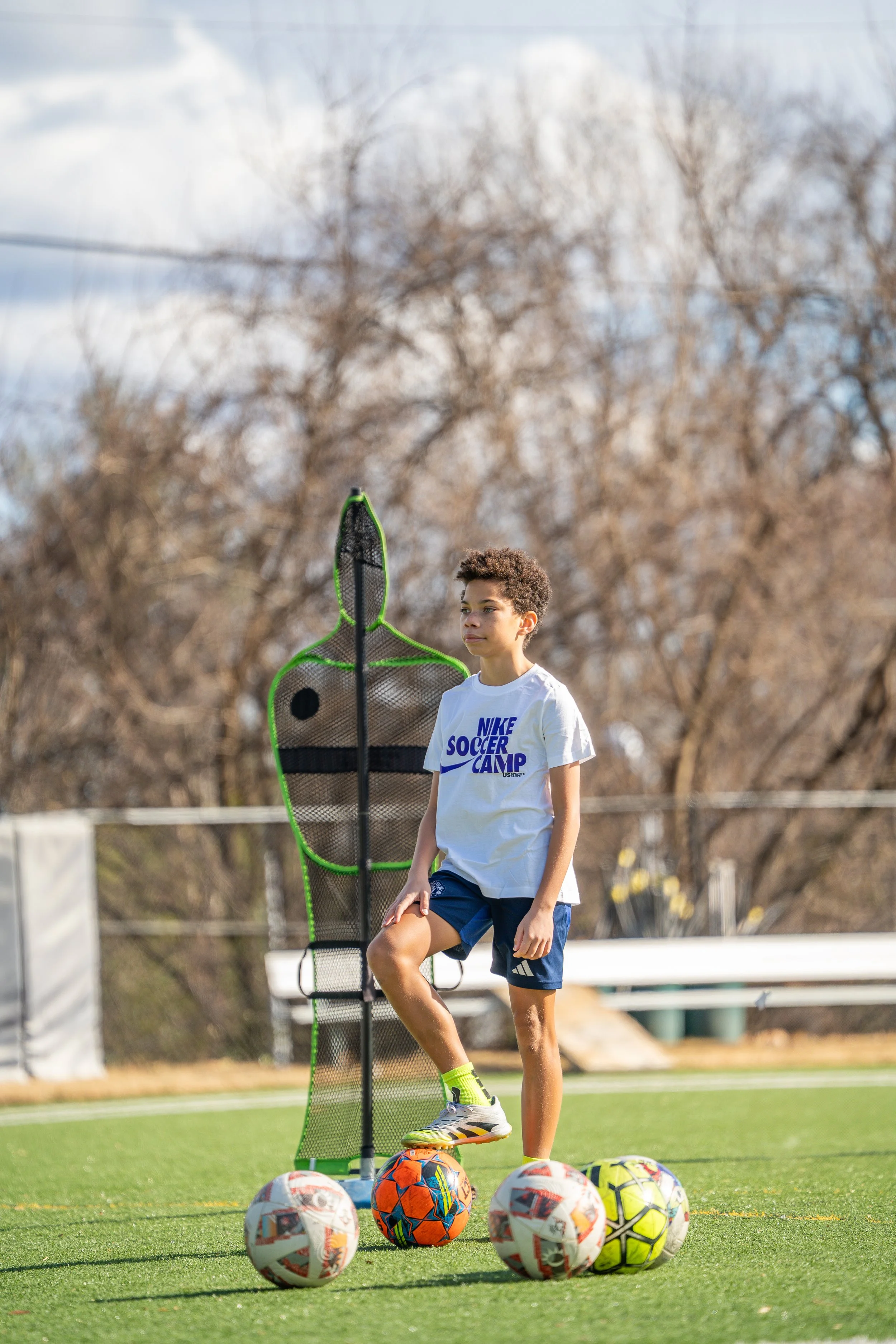
At PhiloSoccer Training, sessions are intentionally designed to create situations where players must think, adapt, and respond to errors constructively. This approach helps athletes develop ownership of their learning process.
Players learn practical strategies to reset mentally after errors
They become more willing to attempt creative solutions
They build confidence rooted in preparation and reflection
They improve emotional regulation during competitive play
They develop a growth-oriented mindset toward challenges
Parents who want to reinforce this developmental philosophy often complement team environments with:
→ High Performance Private Coaching
→ Advanced Tactical Small Group Training
Helping Players Develop a Healthy Relationship with Failure
When young athletes learn to see mistakes as part of the learning journey, they become more emotionally stable and more motivated to improve. This mindset supports both performance consistency and enjoyment of the game.
For many families in the Washington DC and Maryland region, developmental soccer training is increasingly valued for its role in building character, perseverance, and long-term confidence.
Failure Reframed as Opportunity
In elite football cultures around the world, mistakes are rarely seen as reasons for discouragement. Instead, they are treated as essential experiences that shape intelligent, adaptable players.
When players are guided to reflect, adjust, and try again, failure becomes one of the most powerful teachers in sport.
Final Thought: Growth Begins Where Comfort Ends
Player development is not a straight line. It is a process of experimentation, learning, and gradual refinement. When mistakes are embraced as information rather than feared as judgment, young athletes develop both skill and resilience.
Practice with Pride. Play with Purpose.