
How to Help Your Child Handle Pressure in Competitive Soccer
A Parent’s Guide to Building Composure, Resilience, and Confidence in the DMV Soccer Environment
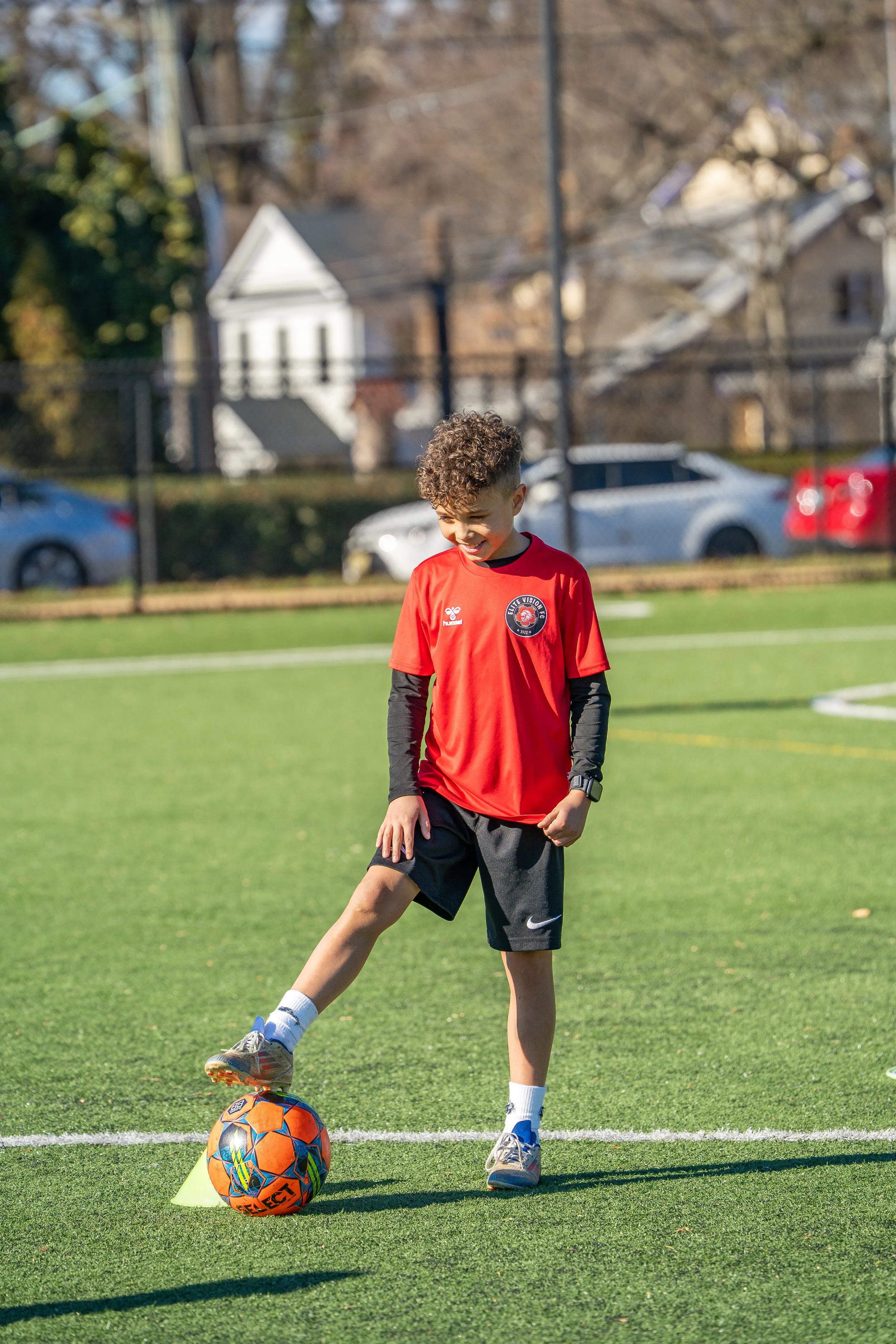
In competitive youth soccer across Maryland, Northern Virginia, and Washington DC, pressure has become an unavoidable part of the development journey. From tryouts and team selection to match performance and social comparison, young athletes are navigating emotional demands that can significantly influence both confidence and enjoyment.
Many parents notice that their child trains with freedom and expression, yet appears tense or cautious during games. This is not a lack of effort or passion. It is often a natural response to perceived pressure.
Families seeking environments that support emotional resilience and performance stability often explore structured development pathways such as:
→ Private Soccer Development Training
→ Elite Small Group Competitive Training
→ Mindset & Performance Coaching
When players learn how to understand and manage pressure, they begin to experience competition as an opportunity for growth rather than a threat to confidence.
Understanding How Pressure Affects Young Athletes
Pressure activates the body’s natural stress response. While this response is designed to enhance focus and readiness, excessive or poorly managed pressure can lead to hesitation, reduced decision-making clarity, and emotional frustration.
Fear of making mistakes in front of coaches or teammates
Overthinking tactical responsibilities
Playing cautiously to avoid negative outcomes
Difficulty recovering emotionally after setbacks
Inconsistent performance between training and matches
Recognizing these patterns allows parents and coaches to shift their focus from criticism to constructive support.
Why Developmental Training Environments Matter?
At PhiloSoccer Training, sessions are designed to gradually expose players to challenging scenarios that build composure and mental strength. This approach helps athletes develop confidence rooted in preparation and experience.
1 Players learn practical strategies to reset after mistakes
2 They build familiarity with high-pressure decision-making
3 They develop trust in their preparation and abilities
4 They improve emotional regulation during competition
5 They strengthen resilience through progressive challenges
Parents who want to reinforce these qualities often supplement team participation with:
→ High Performance Private Coaching
→ Advanced Tactical Small Group Sessions
Helping Players Reframe Pressure as Opportunity
One of the most valuable mindset shifts young athletes can make is learning to interpret pressure as a sign that they are progressing and entering meaningful developmental experiences.
When supported correctly, pressure becomes a teacher. It reveals areas for growth, builds emotional strength, and helps players develop a more mature relationship with competition.
Pressure Management as a Life Skill
Learning to handle pressure through sport prepares young people for academic challenges, social environments, and future professional demands. For many families in the DMV region, developmental soccer training is increasingly seen as a pathway to building character and long-term psychological strength.
Final Thought: Composure Creates Consistency
When players understand how to manage pressure, their performances become more stable, their enjoyment increases, and their long-term development accelerates.
Practice with Pride. Play with Purpose.