
Why Decision Making Matters More Than Fancy Skills?
A Parent’s Guide to Helping Young Players Become Effective, Intelligent Competitors in Modern Soccer
In youth soccer, it is easy to be impressed by visible technical flair. Step-overs, creative turns, and individual skill moves can capture attention and create exciting moments. However, as competition levels increase across Maryland, Northern Virginia, and Washington DC, coaches consistently observe that long-term success depends far more on decision-making than on isolated technical expression.
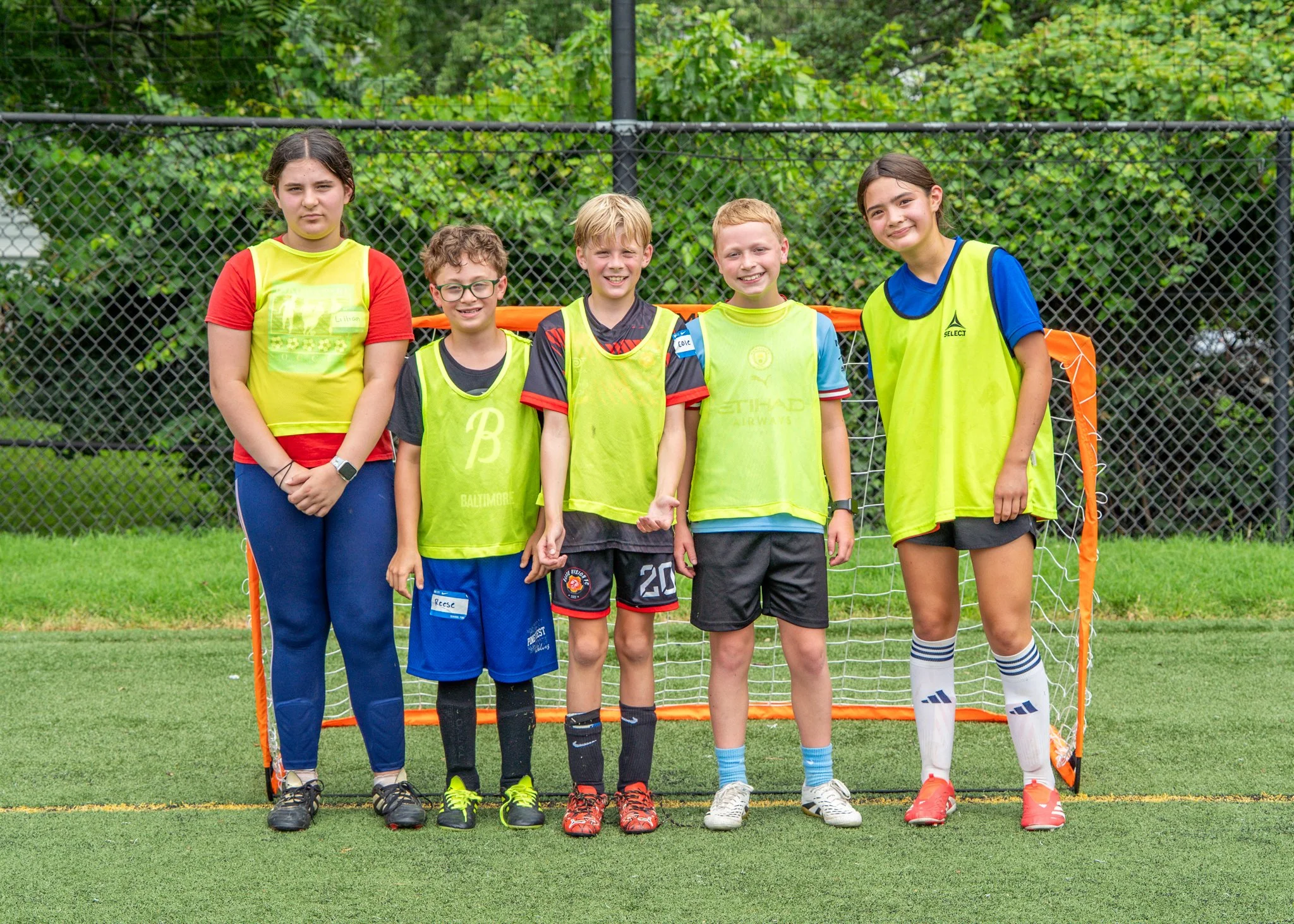
Players who understand when, where, and why to use their skills tend to develop more consistently than those who rely purely on technical ability. This is why families seeking high-quality developmental environments often explore structured pathways such as:
→ Private Soccer Development Training
→ Elite Small Group Tactical Sessions
→ Mindset & Performance Development Programs
When training environments emphasize intelligent choices alongside technical repetition, players begin to perform with greater clarity and effectiveness.
What Decision-Making Looks Like During Matches
Effective decision-making in soccer often appears subtle but has a profound impact on team performance and individual growth.
Choosing simple, high percentage passes rather than risky individual actions
Recognizing when to slow the tempo versus accelerate play
Selecting appropriate moments to dribble, pass, or shoot
Adjusting positioning based on teammates’ movement
Maintaining composure when options are limited under pressure
Players who consistently demonstrate these habits often appear more composed and tactically mature than peers who rely solely on technical flair.
Why Skill Expression Without Context Can Limit Development
When young athletes are praised primarily for highlight reel moments, they may become conditioned to prioritize individual actions over collective effectiveness. Over time, this mindset can reduce tactical awareness and make adaptation to higher levels of competition more difficult.
Modern competitive soccer increasingly rewards players who make efficient, intelligent decisions under pressure rather than those who simply demonstrate isolated technical creativity.
How Development Focused Coaching Strengthens Decision Quality
At PhiloSoccer Training, sessions are intentionally structured to help players connect technical execution with tactical understanding. Through guided questioning, realistic match scenarios, and progressive challenge, athletes learn to evaluate options quickly and act with purpose.
Scenario-based drills that require perception and anticipation
Guided reflection on choices made during training activities
Progressive pressure conditions to improve decision speed
Encouragement of creativity within intelligent tactical frameworks
Reinforcement of disciplined preparation and game awareness habits
Parents who want to accelerate their child’s tactical maturity often supplement team environments with:
→ High Performance Private Coaching
→ Advanced Game Intelligence Small Group Sessions
Decision■Making as a Transferable Life Skill
When young athletes learn to evaluate options, manage uncertainty, and act decisively through sport, they develop competencies that extend into academics, leadership roles, and future professional settings. They become more confident thinkers and more adaptable problem-solvers.
For many families throughout the Washington DC and Maryland region, developmental soccer training represents an investment in long-term cognitive and emotional growth as well as athletic performance.
Final Thought: Intelligence Enhances Technique
Technical skill creates opportunity, but intelligent decision-making determines whether that opportunity leads to effective performance. When training environments prioritize thinking alongside
execution, players are better prepared to succeed in modern competitive soccer.
Practice with Pride. Play with Purpose.