
Helping Parents Understand How Thoughtful Coaching Shapes Intelligent Player Development
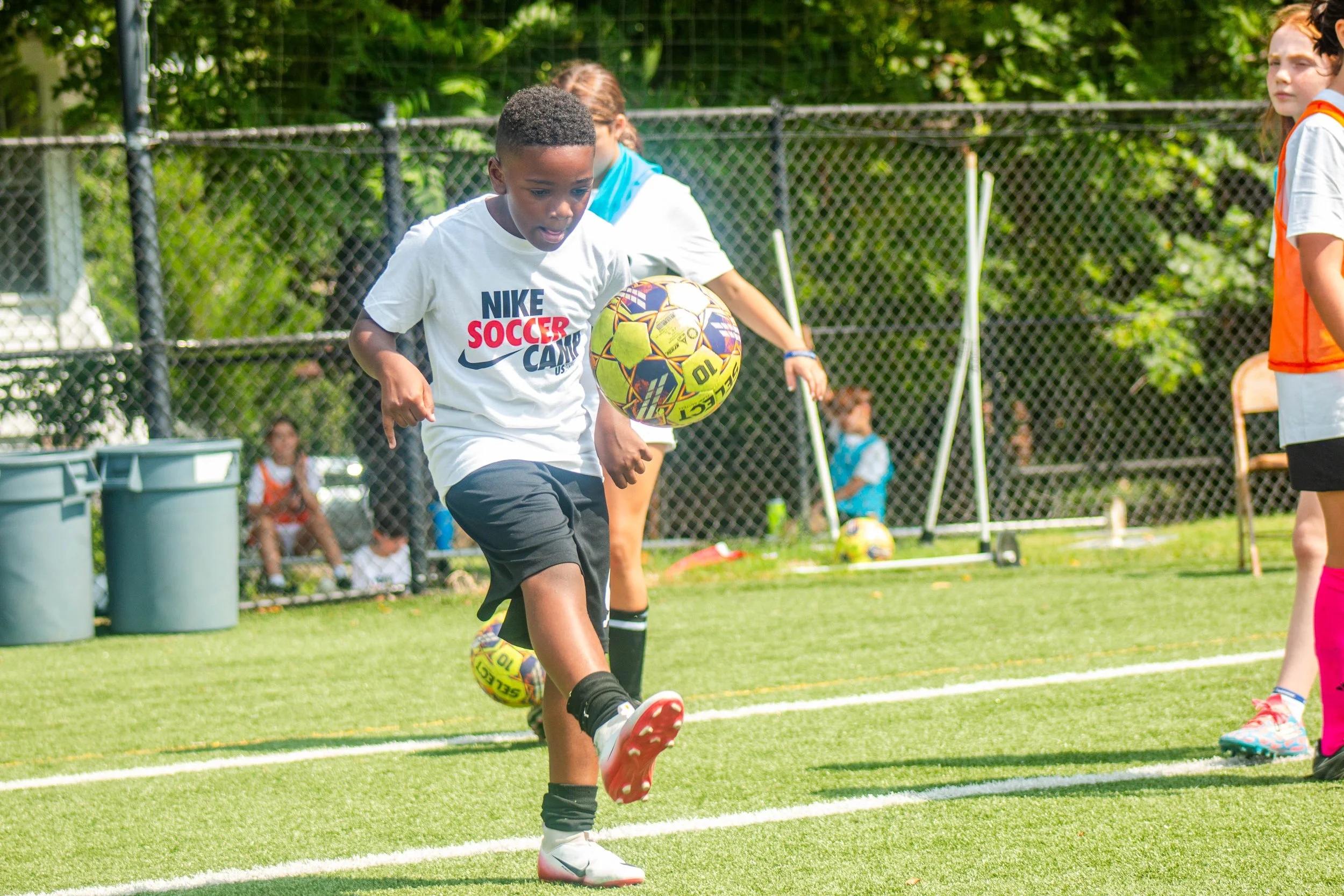
In modern youth soccer, coaching is often viewed primarily as the delivery of drills, tactical instructions, and physical conditioning. However, the most impactful coaching environments extend far beyond these surface elements. They are guided by underlying philosophies, belief systems about learning, growth, challenge, and human potential.
For families throughout Maryland, Northern Virginia, and Washington DC who are seeking meaningful developmental experiences, philosophy-driven coaching environments often include structured pathways such as:
→ Professional Private Soccer Development Training
→ Elite Small Group Game Intelligence Training
→ Athlete Mindset & Performance Coaching
When coaching is guided by a clear developmental philosophy, training becomes more intentional, reflective, and transformative for young athletes.
What Philosophy Means in a Coaching Context
Coaching philosophy refers to the core principles that shape how a coach designs sessions, communicates with players, and responds to challenges. It influences whether the focus is placed on short-term results or long-term growth.
Belief in learning through challenge rather than comfort
Emphasis on player ownership and independent thinking
Understanding mistakes as essential feedback mechanisms
Commitment to developing both performance and character
Encouragement of intrinsic motivation over external pressure
These philosophical foundations help create environments where players feel empowered to evolve.
Why Philosophy Matters for Player Confidence and Identity
When athletes train within consistent philosophical frameworks, they develop a clearer sense of identity and purpose. They begin to understand not just how to perform skills, but why effort, discipline, and reflection are essential to improvement.
This deeper understanding contributes to stronger confidence and more resilient responses to adversity.
Integrating Philosophy Into Practical Training Environments
At PhiloSoccer Training, coaching philosophy is intentionally woven into every session. Players are encouraged to reflect on their experiences, challenge themselves intellectually, and view soccer as a platform for broader personal development.
Parents seeking to reinforce philosophical development principles often combine individualized coaching with:
→ Advanced Tactical Small Group Sessions
→ Structured Mental Performance Development
The Long-Term Impact of Philosophy-Driven Coaching
When young athletes grow within environments that prioritize thoughtful learning, they often develop stronger leadership habits, deeper love for the game, and greater independence in their training journey. These qualities support progression through competitive soccer pathways and contribute to long-term life success.
For families navigating the evolving youth soccer landscape in the DMV region, choosing philosophy-driven coaching environments represents a meaningful investment in both athletic and personal growth.
Final Thought: Coaching Is About Shaping Thinkers
The most effective coaches are not only instructors of technique but guides in the development of mindset and identity. When philosophy informs practice, training becomes a powerful vehicle for shaping intelligent, resilient, and purpose-driven athletes.
Practice with Pride. Play with Purpose.