
A Parent’s Perspective on Creativity, Freedom, and Intelligent Player Development
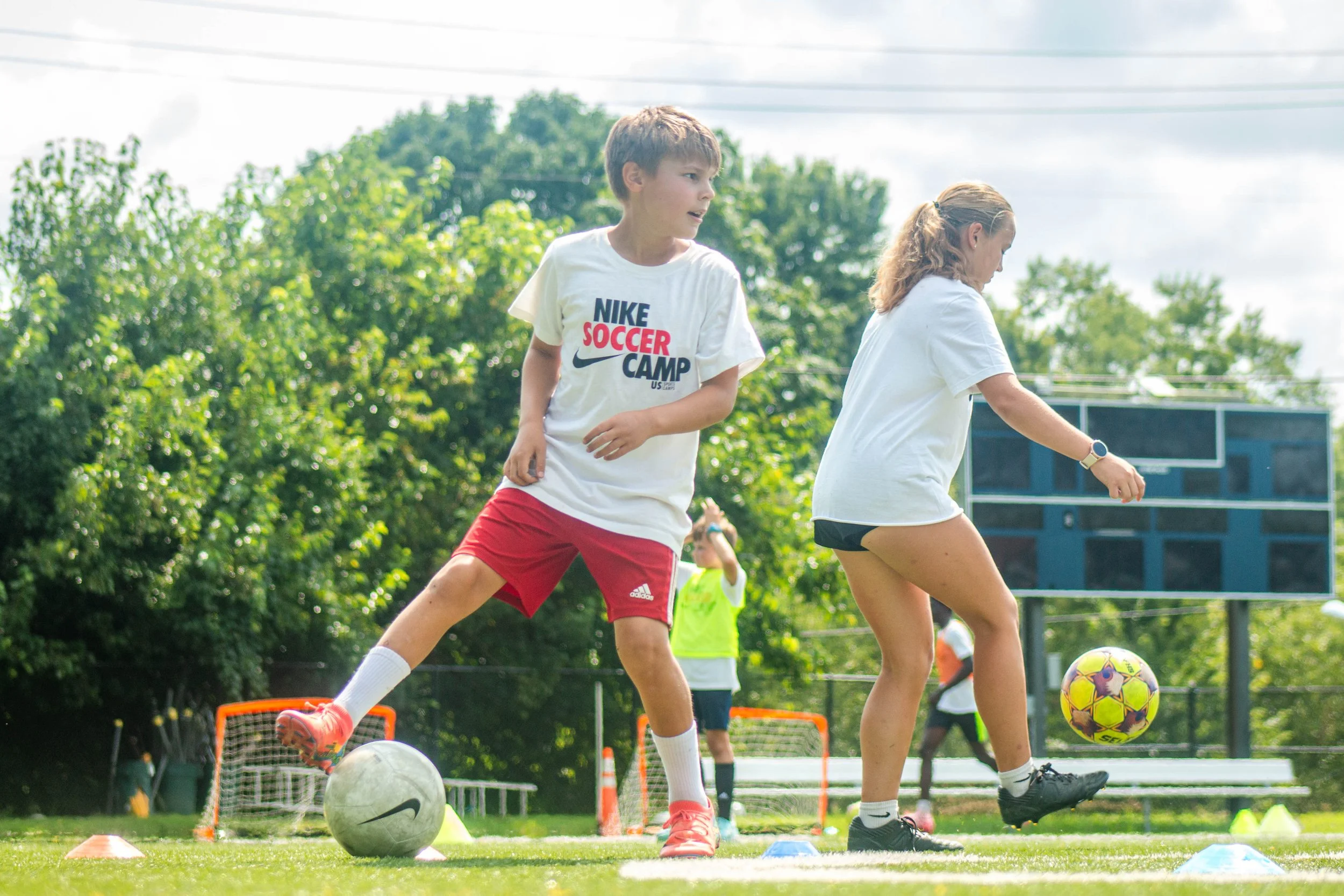
Around the world, many of the most technically gifted and creative soccer players developed their skills in informal environments often referred to as street football cultures. These settings, whether in Brazil, parts of Europe, or urban communities globally, emphasize freedom of expression, problem-solving, and intrinsic motivation.
In contrast, structured youth soccer systems in the United States sometimes prioritize organization and early tactical discipline at the expense of creativity and independent thinking. Families in
Maryland, Northern Virginia, and Washington DC who want to balance structure with freedom often explore developmental pathways such as:
→ Professional Private Soccer Skill Development Training
→ Elite Small Group Creative Decision-Making Sessions
→ Athlete Mindset & Performance Development
When these elements are integrated intentionally, players can develop both technical discipline and creative confidence.
Key Characteristics of Street Football Development
Street football environments often provide a unique learning experience because players are constantly required to adapt and improvise.
High frequency of ball touches in tight spaces
Encouragement of creativity and risk-taking
Self-organized games that build leadership and communication
Learning through trial and error rather than constant instruction
Development of instinctive decision-making habits
These characteristics contribute to the development of players who are comfortable expressing themselves under pressure.
Why Creativity Is Essential in Modern Soccer
In elite competitive environments, players are often required to solve complex problems in real time. Creative thinking allows athletes to identify solutions quickly, maintain composure in unpredictable situations, and exploit tactical opportunities.
When young players are given the freedom to experiment and learn from mistakes, they tend to develop stronger confidence and deeper understanding of the game.
Integrating Street Football Principles Into Structured Training
At PhiloSoccer Training, sessions are designed to blend structured technical progression with moments of creative exploration. This balanced approach encourages players to think independently while still developing disciplined habits.
Parents seeking to reinforce creative development often combine individualized coaching with:
→ Advanced Small Group Tactical Freedom Sessions
→ Structured Confidence & Psychological Skills Coaching
The Long-Term Impact of Creative Development Environments
When players grow in environments that value both structure and freedom, they often develop stronger adaptability, improved confidence, and enhanced problem-solving abilities. These qualities support progression through competitive soccer pathways and contribute to personal growth.
For families throughout the DMV area, exposure to creative developmental principles can help young athletes build a deeper love for the game and greater long-term potential.
Final Thought: Balance Discipline With Expression
The most effective youth soccer development models are those that combine disciplined preparation with opportunities for creative exploration. When players are encouraged to think and express themselves, their growth becomes both meaningful and sustainable.
Practice with Pride. Play with Purpose.