
Why Some Players Plateau at Age 12–15?
A Parent’s Guide to Navigating the Most Critical Development Phase in Youth Soccer
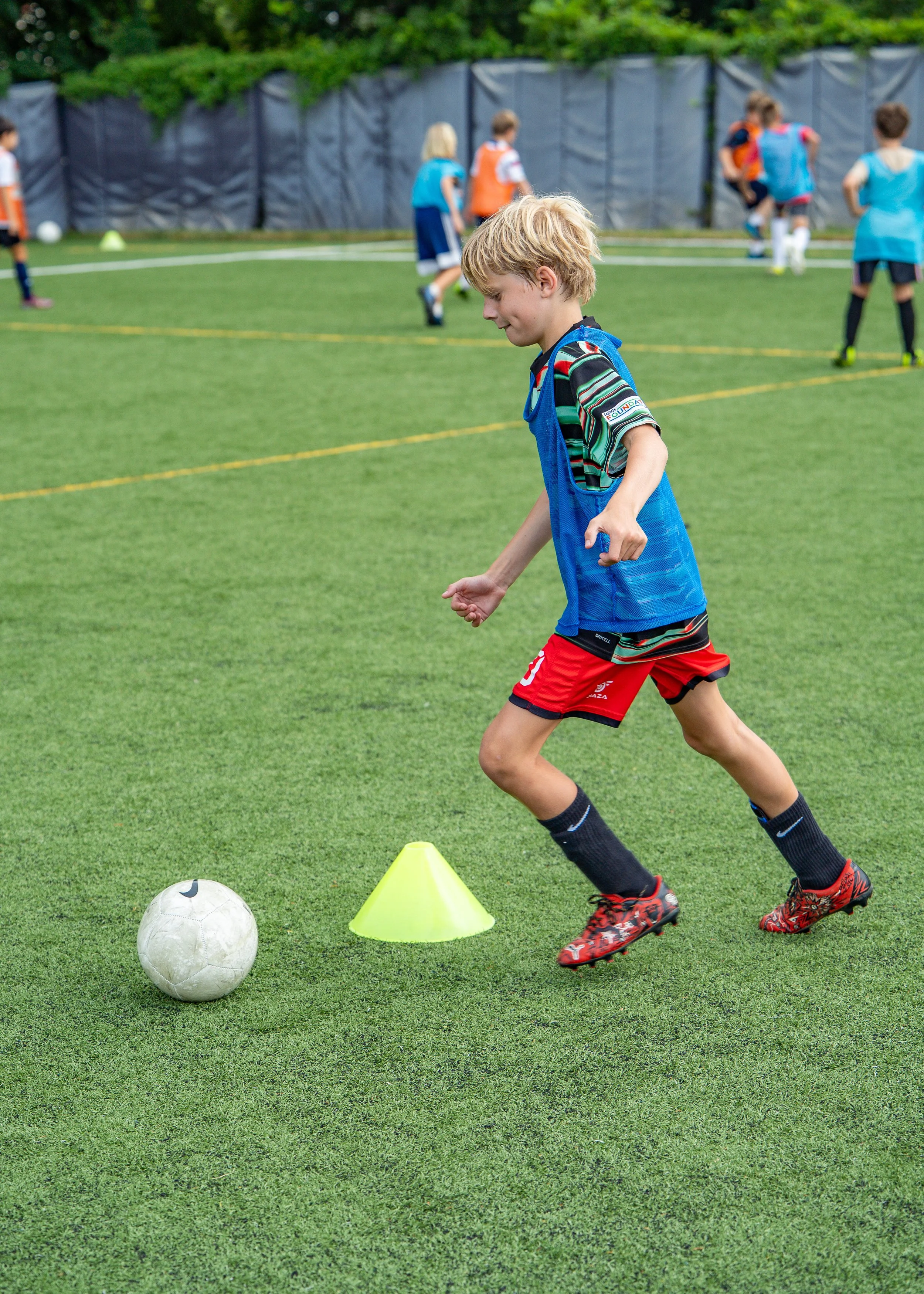
The ages between 12 and 15 represent one of the most important and complex phases in a young soccer player’s development. During this period, physical growth accelerates, competition intensifies, and psychological demands increase significantly. Many parents across Maryland,
Northern Virginia and Washington DC begin to notice that players who once progressed quickly suddenly appear to stagnate.
This plateau is rarely caused by a lack of potential. More often, it reflects a mismatch between the player’s evolving needs and the structure of their training environment.
Families seeking developmental support during this phase often explore structured pathways such as:
→ Private Soccer Development Training
→ Elite Small Group Tactical Training
→ Mindset & Performance Coaching Programs
When training environments adapt to the cognitive, emotional, and tactical demands of adolescence, players are more likely to continue progressing with confidence.
Physical Changes and Coordination Challenges
Rapid growth during early adolescence can temporarily affect balance, coordination, and timing.
Players who previously relied on physical dominance may need to develop new technical habits and decision-making skills.
Temporary loss of technical consistency during growth spurts
Increased fatigue and reduced recovery capacity
Changes in speed and movement mechanics
Frustration related to shifting performance levels
Heightened sensitivity to competitive comparison
These experiences are natural but can influence confidence if not supported by appropriate coaching guidance.
Cognitive and Tactical Demands Increase
As players progress into more competitive environments, the game becomes faster and tactically more complex. Success increasingly depends on anticipation, spatial awareness, and rapid decision-making rather than isolated technical ability.
Training environments that continue to emphasize repetitive drills without developing game intelligence may contribute to developmental stagnation.
Psychological Pressures During Early Adolescence
The 12–15 age range is also a period of heightened self-awareness and social comparison. Players may begin to internalize external evaluations from coaches, peers, and competitive outcomes.
Fear of making mistakes in front of teammates
Reduced willingness to attempt creative actions
Fluctuating motivation levels
Increased performance anxiety
Identity confusion related to team status
Development-focused coaching environments help players interpret these challenges as temporary and manageable.
How Structured Training Prevents Long-Term Plateaus
At PhiloSoccer Training, sessions are intentionally designed to support players through transitional developmental phases. The focus is placed on strengthening decision-making, emotional resilience, and disciplined preparation habits.
Parents who want to support continued growth during adolescence often supplement team participation with:
→ High Performance Private Coaching
→ Advanced Game Intelligence Small Group Sessions
Adversity as a Catalyst for Long-Term Development
When guided effectively, developmental plateaus can become powerful opportunities for growth.
Players who learn to persist through transitional phases often emerge with stronger confidence, tactical understanding, and resilience.
For many families in the Washington DC and Maryland region, investing in developmental soccer training during adolescence helps ensure that early potential continues to evolve into mature performance.
Progress Is Rarely Linear
Plateaus are a natural part of the developmental journey. When players receive appropriate technical, tactical, and psychological support, temporary stagnation can transform into renewed progression and deeper self-belief.
Practice with Pride. Play with Purpose.