
How to Develop Game Intelligence in Young Soccer Players?
A Parent’s Guide to Helping Your Child Think Faster, Play Smarter, and Grow Confidently in Competitive Soccer
In modern youth soccer, technical skill alone is no longer enough to sustain long-term player development. As competition becomes faster and more tactically sophisticated across Maryland, Northern Virginia, and Washington DC, players who can read the game, anticipate movement, and make quick decisions gain a significant developmental advantage.
This ability is often referred to as game intelligence, the capacity to process information, solve problems, and act decisively in dynamic match environments.
Families seeking environments that actively develop these cognitive skills often explore structured pathways such as:
→ Private Soccer Development Training
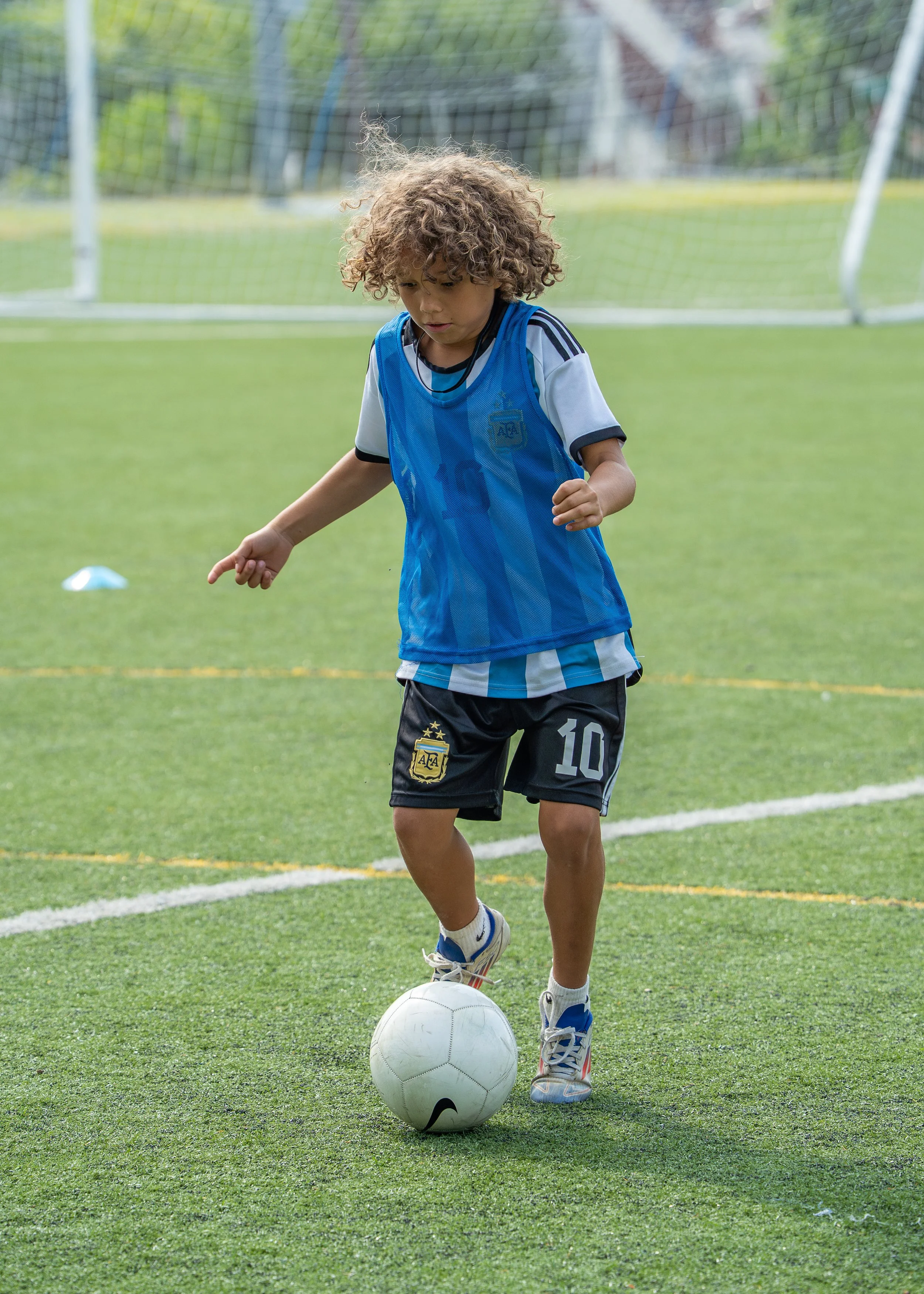
When training environments intentionally strengthen game intelligence, players begin to perform with greater composure, creativity, and consistency.
What Game Intelligence Looks Like on the Field
Game intelligence is often visible in subtle but powerful behaviors that influence match performance.
Scanning the field before receiving possession
Choosing effective passing options under pressure
Adjusting positioning based on evolving tactical situations
Anticipating opponent movements rather than reacting late
Maintaining composure during fast-paced transitions
Players who consistently demonstrate these habits tend to appear calm and confident even in demanding competitive environments.
Why Traditional Training Can Limit Cognitive Growth
Many youth soccer sessions still rely heavily on repetitive technical drills that isolate skill execution from real game decision-making. While repetition has value, development can stagnate if players are not challenged to think independently.
Without exposure to realistic match scenarios, players may struggle to transfer technical ability into effective performance during games.
How Development-Focused Coaching Builds Game Intelligence
At PhiloSoccer Training, sessions are intentionally structured to simulate the psychological and tactical demands of competitive matches. Players are encouraged to analyze situations, communicate solutions, and reflect on their decisions.
Scenario-based exercises that require perception and anticipation
Guided questioning to develop tactical awareness
Progressive pressure conditions to improve decision speed
Encouragement of creativity within structured frameworks
Reinforcement of disciplined preparation and reflective habits
Parents who want to accelerate their child’s cognitive development often supplement team participation with:
→ High Performance Private Coaching
→ Advanced Game Intelligence Small Group Sessions
Game Intelligence as a Life Skill
When young athletes learn to think critically and make decisions under pressure through sport, they develop transferable skills that benefit academic performance, leadership capacity, and future professional environments.
For many families throughout the Washington DC and Maryland region, developmental soccer training represents an investment in long-term intellectual and emotional growth.
Final Thought: Smart Players Adapt Faster
Technical ability may create initial opportunities, but intelligent decision-making sustains performance as competition evolves. When training environments prioritize cognitive development alongside skill execution, players are better prepared to reach higher levels of the game.
Practice with Pride. Play with Purpose.