
Confidence Is Not a Feeling, It’s a Skill
A Parent’s Guide to Building Lasting Confidence in Young Soccer Players in the DMV Area
In youth soccer today, confidence is one of the most discussed yet misunderstood aspects of player development. Parents often watch their child perform brilliantly in training but hesitate or struggle during matches, leading to the belief that confidence is something a player either has or lacks.
In reality, confidence is not a personality trait or a temporary emotional state. It is a skill that can be developed through intentional training environments, purposeful challenge, and psychological growth.
Families seeking structured pathways to build real confidence often explore developmental programs such as:
→ Private Soccer Training Programs
→ Elite Small Group Development Training
→ Virtual Mindset & Performance Training
When confidence is trained properly, players begin to trust their preparation rather than fear mistakes. This shift allows technical ability to appear more consistently during competition.
What True Confidence Looks Like in Soccer
A player who continues to demand the ball even after making a mistake
Calm decision-making in high-pressure match situations
Willingness to try creative solutions rather than playing it safe
Consistency in effort and focus, regardless of external praise
Belief is built on preparation rather than comparison
These qualities are rarely developed through praise alone. They emerge when players are exposed to structured challenges that build psychological strength alongside technical ability.
Why Modern Soccer Requires Trainable Confidence
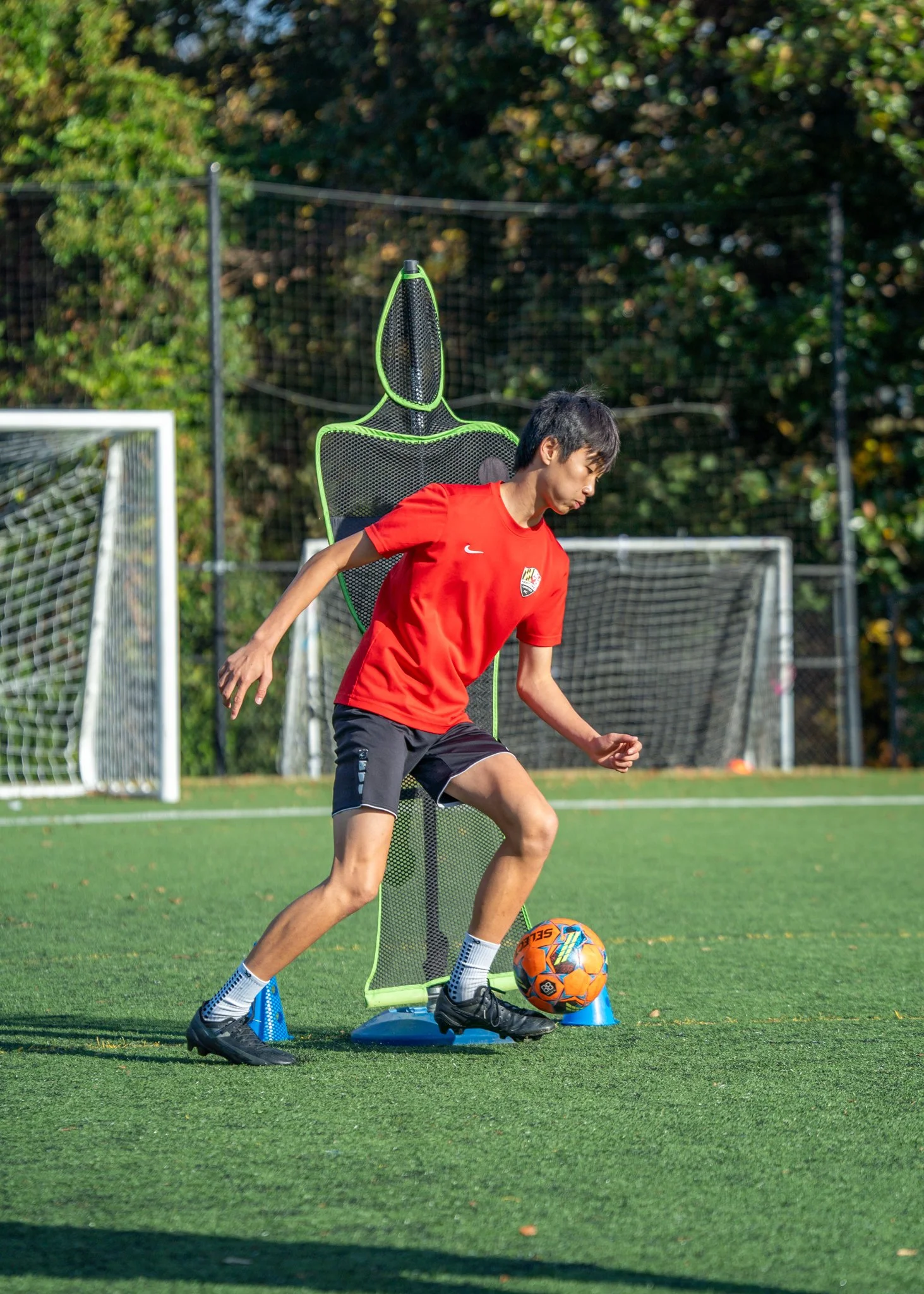
The pace of modern youth soccer in Maryland, Northern Virginia, and Washington DC demands quick thinking, emotional control, and resilience. Players are required to make decisions in seconds while managing pressure from competition, selection, and expectations.
Without structured confidence-building experiences, talented athletes may become hesitant or overly cautious, limiting their long-term development.
How Challenging Training Environments Build Confidence
At PhiloSoccer Training, sessions are designed to create meaningful challenges. This is not about creating stress, but about helping players discover their ability to overcome difficulty and grow through adversity.
Players learn to recover quickly from mistakes
They develop ownership of their performance
They become more composed in competitive environments
They build self-belief rooted in preparation
They develop intrinsic motivation to improve
Parents who want to accelerate this process often supplement team training with:
→ High Performance Private Coaching
→ Advanced Tactical Small Group Training
Confidence as a Life Skill
When young athletes learn how to build confidence through sport, they develop skills that extend far beyond soccer. They become more resilient students, more composed in social situations, and more capable of handling future challenges.
For many families in the DMV region, investing in developmental soccer training is not only about improving performance, but it is also about shaping character and long-term mindset.
Final Thought: Confidence Comes From Preparation
Confidence is not something a coach can simply give a player. It must be earned through experience, reflection, and purposeful training.
When players train with intention and learn to trust their preparation, confidence becomes stable rather than fragile.
Practice with Pride. Play with Purpose.