
Private Soccer Coaching vs Team Training: What’s Best for Your Child
A Parent’s Guide to Making the Right Development Decision in Youth Soccer
As youth soccer continues to evolve across Maryland, Northern Virginia, and Washington DC, many parents are faced with an important developmental question: Should my child rely solely on team training, or should we invest in private soccer coaching to accelerate growth? The reality is that both environments play important but different roles in a young player’s journey.
Understanding how each contributes to development can help families make informed long-term decisions.
Parents seeking true developmental pathways often explore structured opportunities such as:
→ Professional Private Soccer Development Training
→ Elite Small Group Tactical Training
→ Athlete Mindset & Performance Coaching
When these environments are combined thoughtfully, players often experience faster improvement and stronger psychological growth.
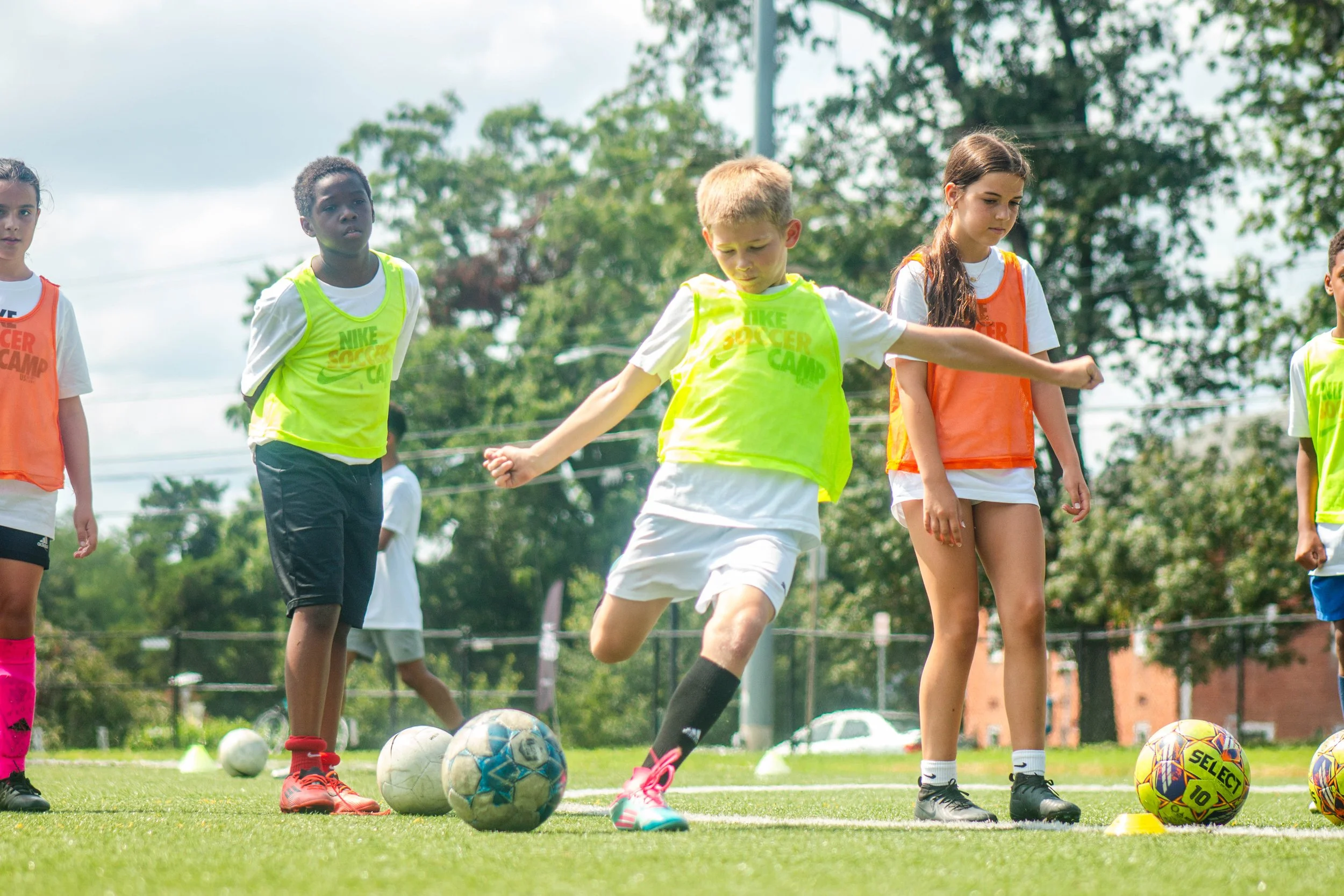
What Team Training Provides
Team environments are essential for learning tactical systems, understanding positional roles, and developing communication skills within competitive match settings.
Exposure to real game structures and formations
Development of teamwork and social connection
Opportunities to compete in league and tournament play
Understanding collective responsibilities on the field
Adaptation to different coaching styles and expectations
However, team training must often be generalized to suit larger groups, which can limit individual technical progression.
What Private Soccer Coaching Provides
Private coaching offers a more personalized developmental experience, allowing players to focus on specific growth areas such as first touch consistency, decision-making speed, and confidence under pressure.
Individualized technical correction and repetition
Game-realistic scenario training tailored to player needs
Psychological skill development, including resilience and composure
Acceleration of tactical awareness and scanning habits
Structured feedback that promotes reflective learning
For many players in the DMV area, combining team participation with private developmental training creates the most balanced pathway.
Why Small Group Training Can Bridge the Gap
Small group soccer sessions often provide an ideal middle ground between individual coaching and full team practices. They allow players to apply technical improvements in competitive micro-environments while still receiving targeted feedback.
→ Advanced Small Group Decision-Making Sessions
This format helps players build game intelligence, confidence, and adaptability in realistic training conditions.
The Long-Term Development Perspective
From a long-term player development standpoint, exposure to varied training environments can significantly enhance growth. Players who receive individualized attention while continuing to compete within team structures often develop stronger independence and a deeper understanding of the game.
For families throughout Maryland and the Washington DC region, investing in both team experiences and supplemental developmental coaching represents a strategic commitment to helping young athletes reach their full potential.
Final Thought: Development Is Not One-Dimensional
The most effective soccer pathways are those that recognize development as a layered process.
When players are supported through intentional coaching environments that challenge them technically, tactically, and psychologically, their progress becomes sustainable and meaningful. Practice with Pride. Play with Purpose.