
Why Players Must Learn to Solve Problems Themselves
A Parent’s Guide to Developing Independent Thinkers in Youth Soccer
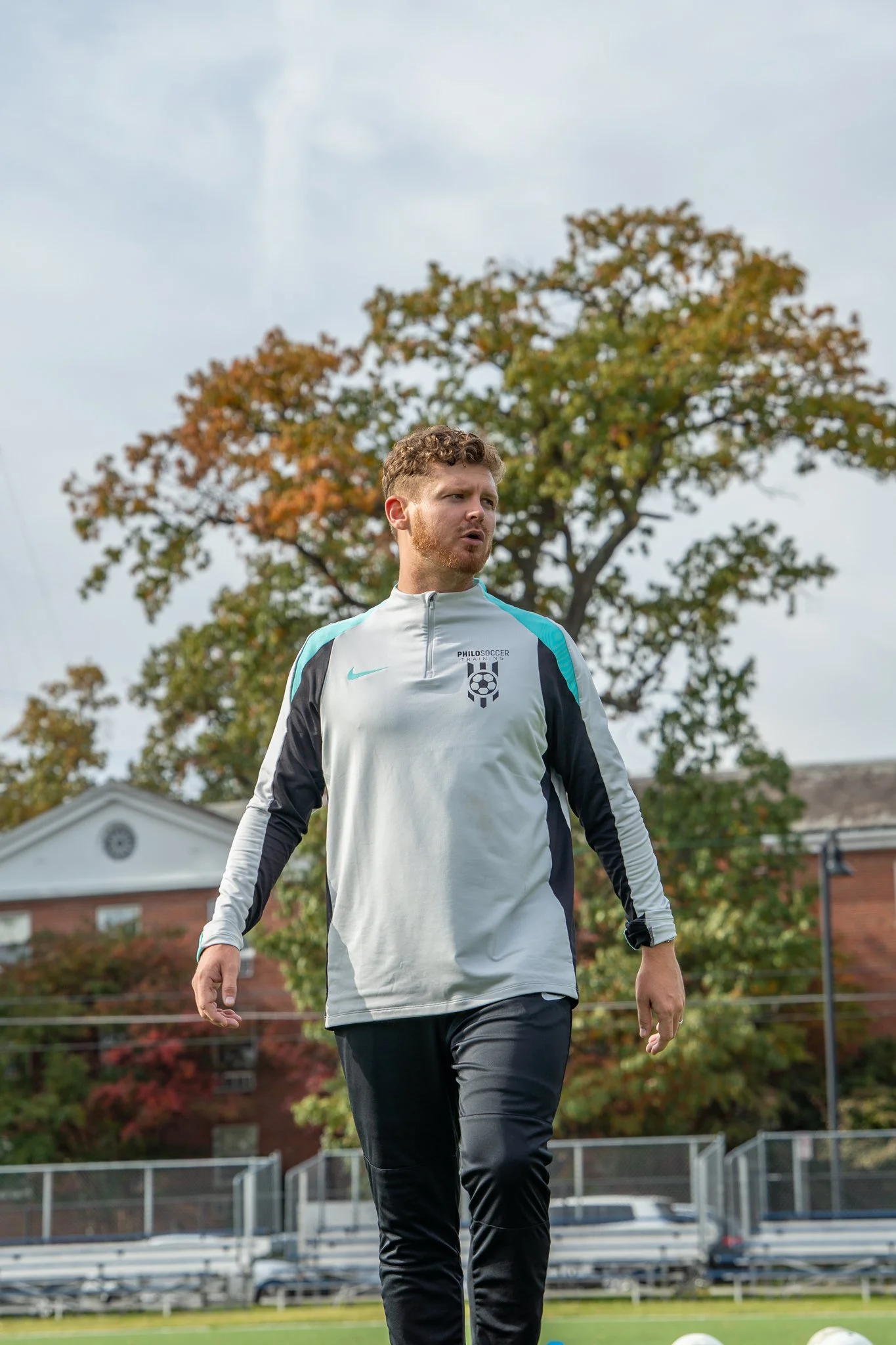
In modern youth soccer, players are often surrounded by constant instruction. Coaches direct movement, parents provide feedback from the sidelines, and structured systems attempt to control every aspect of performance. While guidance is essential, long-term development depends on a player’s ability to think independently and solve problems under pressure.
Across Maryland, Northern Virginia, and Washington DC, families seeking true developmental soccer training are increasingly recognizing that intelligent players are not created through excessive direction; they are shaped through environments that encourage exploration, decision-making, and ownership.
Parents looking to support this type of growth often explore structured pathways such as:
→ Private Soccer Development Training
→ Elite Small Group Tactical Training
→ Mindset & Performance Coaching
When players are trusted to interpret situations and discover solutions, their confidence becomes more stable, and their game understanding deepens.
Why Over-Coaching Can Slow Development
Constant instruction can unintentionally create dependency. Players may begin to look externally for answers rather than developing internal awareness. This can limit creativity, reduce tactical adaptability, and increase anxiety in unpredictable match situations.
Hesitation when facing unfamiliar scenarios
Reliance on sideline feedback rather than game perception
Reduced willingness to take initiative
Limited adaptability under pressure
Decreased long-term confidence in decision-making
Development accelerates when players learn to trust their own observations and instincts.
How Problem-Solving Strengthens Game Intelligence
Soccer is a fluid and dynamic sport that requires players to process information quickly. Those who can interpret patterns, anticipate movement, and adjust decisions independently often perform more consistently at higher levels of competition.
Training environments that emphasize guided discovery help players connect technical ability with tactical awareness.
How Development-Focused Coaching Encourages Independence
At PhiloSoccer Training, sessions are intentionally structured to present players with challenges that require active thinking. Rather than providing immediate answers, coaches facilitate reflection and encourage players to evaluate options.
Scenario-based exercises that demand quick perception and adaptation
Guided questioning to promote tactical awareness
Opportunities for players to lead small-group solutions
Progressive pressure conditions that build confidence
Reinforcement of intrinsic motivation and ownership
Parents who want to accelerate independent development often supplement team participation with:
→ High Performance Private Coaching
→ Advanced Game Intelligence Small Group Sessions
Problem-Solving as a Life Skill
When young athletes learn to think independently through sport, they develop transferable qualities such as resilience, initiative, and adaptability. These skills support academic achievement, leadership development, and future professional success. For many families throughout the Washington DC and Maryland region, developmental soccer training represents an investment in both performance growth and personal maturity.
Final Thought: Confidence Grows Through Ownership
When players are given responsibility for interpreting the game, they become more engaged learners and more confident competitors. Guided independence builds a deeper understanding than constant instruction ever can.
Practice with Pride. Play with Purpose.