
Raising Self-Driven Athletes in Today’s Soccer Culture
A Parent’s Guide to True Soccer Development in the DMV Area
In today’s youth soccer culture, it’s easy for players to become dependent on constant instruction,
external validation, and the pressure to perform.
Many parents in the DMV area are searching for private soccer training or elite youth soccer development programs are asking an important question:
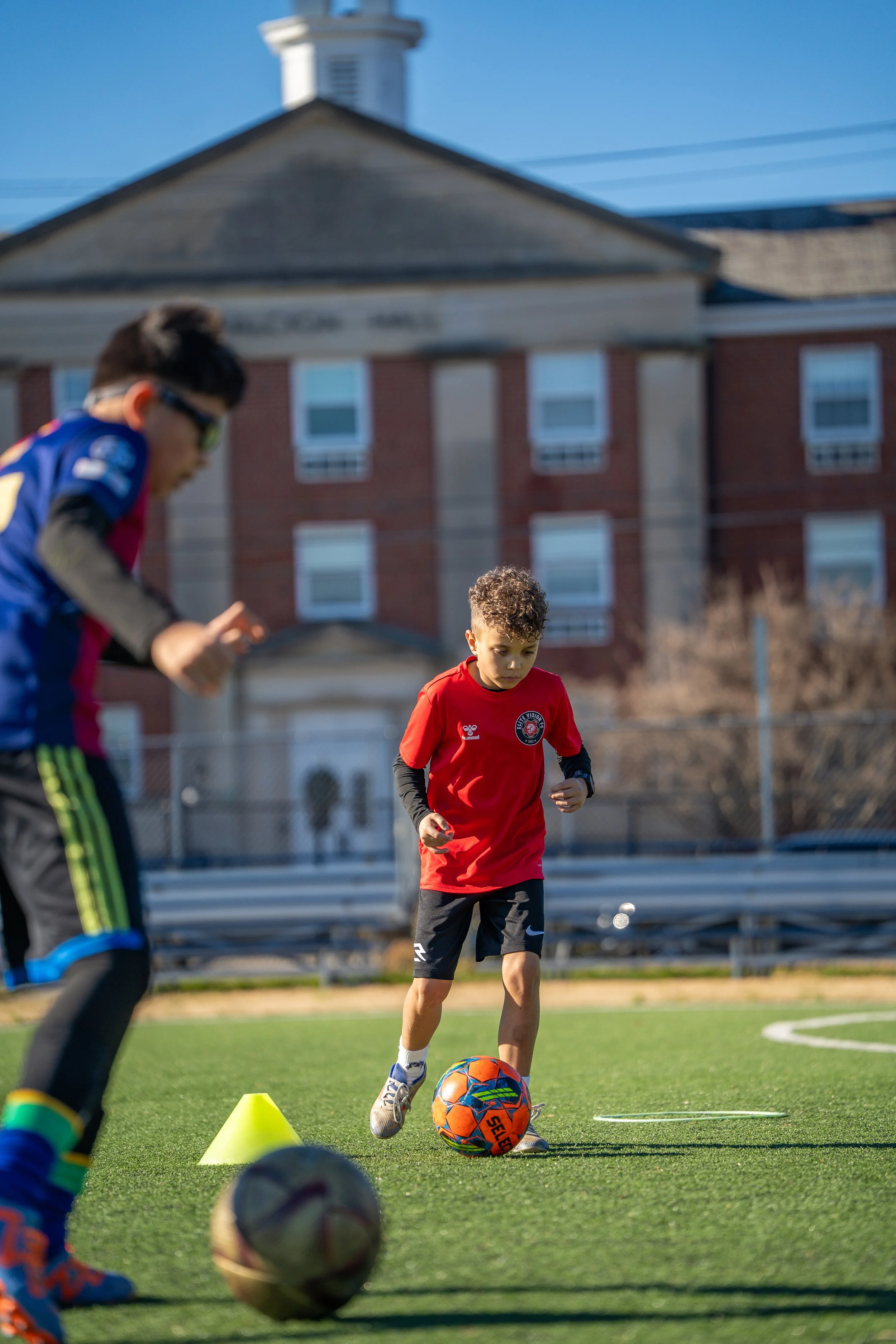
How do we raise athletes who are motivated from within, not just reacting to pressure from coaches, parents, or results?
At PhiloSoccer Training, we believe the answer lies in developing self-driven athletes and players
who think critically, take ownership of their growth, and learn to play with purpose.
Parents often begin this journey through structured environments such as:
What Is a Self-Driven Soccer Player?
Trains with intention, not just attendance
Reflects on performances instead of blaming others
Embraces challenge rather than avoiding it
Loves the process of development
Builds confidence through preparation
Players develop independent thinking through advanced pathways such as:
The Modern Soccer Culture Challenge
Early labeling as 'elite' or 'not elite.'
Pressure from rankings and team status
Over-structured environments
Fear of making mistakes
Families seeking mindset-based environments often explore:
Why Self-Driven Athletes Develop Faster?
Improve decision-making speed
Build stronger confidence
Adapt better to pressure
Maintain motivation through setbacks
These qualities are reinforced through:
The Role of Challenging Training Environments
Work ethic
Accountability
Problem-solving
Mental toughness
Parents seeking high-performance development often choose:
How Parents Can Support Self-Driven Development?
Praise effort and learning, not just results
Encourage reflection after games
Allow space for independence in training
Normalize mistakes as part of development
Many families complement team environments with:
Soccer as a Mirror for Life
Discipline
Emotional resilience
Confidence under pressure
Leadership qualities
Long-term goal orientation
Explore all development pathways at:
Final Thought: Development Over Labels
The goal of youth soccer should not simply be to chase team status. It should be to raise young
people who think independently, embrace challenge, and pursue excellence with purpose.
Practice with Pride. Play with Purpose.